For many young families, choosing a preschool is one of the most important first steps in their child’s educational journey. BASIS Beginners Preschool offers a play-based learning environment where curiosity is encouraged, confidence grows, and strong academic foundations begin to take shape.
We sat down with Director Kellie Kunzman, who leads the BASIS Beginners campus with warmth, experience, and deep passion for early learning, to learn more about what makes this program stand out.
Q: Can you share a little about yourself and what brought you to early childhood education?
“Education has been the heartbeat of my career for 20 years. It started with a degree in Japanese and a move abroad to teach, where I first fell in love with the classroom. Over time, I realized my passion truly lies in early childhood education—there’s something incredibly special about laying the foundation for a child’s very first school experience. I take great pride in creating a nurturing environment that makes children excited to learn for years to come.”
What Sets BASIS Beginners Apart
Q: How would you describe BASIS Beginners to a parent who has never heard of it before?
“BASIS Beginners is an academic-forward preschool that blends global standards with play-based discovery. Our students, ages 3–5, learn through creativity, curiosity, and guided exploration. We fully prepare children both academically and emotionally to become confident, independent learners ready for kindergarten and beyond.”
STREAM Learning in Action
Q: BASIS Beginners uses a STREAM approach (Science, Technology, Reading and Writing, Engineering, Arts, and Math). How does that come to life in the classroom?
“STREAM is woven into every part of our day. The focus shifts from ‘what’ we learn to ‘how’ we learn. You might see children using technology to watch a volcano eruption or measuring their engineering tower with math. This hands-on approach helps students take ownership of their learning and explore their interests in meaningful ways.”
A Strong Start: Play Meets Purpose
Q: Why is a content-rich, play-based curriculum so important for children ages 3–5?
“Play is how young children make sense of the world. Our content-rich curriculum surrounds them with quality materials and expert teachers who guide exploration. This combination builds both academic understanding and social-emotional resilience—so by kindergarten, our students are not just 'ready,' but eager, confident, and joyful learners.”
Building the Foundations for Kindergarten
Q: How do your teachers balance playful learning with academic foundations?
“Our teachers bring creativity to every lesson. During our space unit, for example, you might walk into a classroom transformed with planets, a spaceship corner, and astronaut costumes for dramatic play. They incorporate storytelling, movement, and music to make core academic concepts come alive. They’re experts at making learning fun—and our students love it!”
A Day in the Life at BASIS Beginners
Q: If a parent could peek inside a typical day, what would they see?
“From drop-off to pick-up, students experience a balance between structure and independence. They learn to manage their belongings, participate in math, phonics, and handwriting lessons, and explore STREAM centers. There’s time for discovery, three recesses for movement, and a restful recharge period. You’ll see joyful, engaged children who are thriving.”
The Power of Play
Q: What skills are children building during open play time?
“During before- and after-school open play, children practice communication, teamwork, creativity, and imagination. They learn to share, take turns, and think independently—all vital life skills that will serve them far beyond preschool.”
Supporting Families Every Step of the Way
Q: How do you support families through the preschool transition?
“We know this is a big milestone for families. Often, it’s more emotional for parents than for children! We create a nurturing integration period and keep an open-door policy for parent communication. Our ‘Family Promise’—displayed at our entrance—reminds everyone that we are a team committed to the well-being and joy of every child.”
Looking Toward the Future
Q: What do you hope students carry with them from their time at BASIS Beginners?
“I hope our students remember their laughter, friendships, and the teachers who believed in them. If they leave with a love for learning and the confidence to explore new ideas, then we’ve done our job.”
A Warm Invitation to Families
Q: What would you say to families exploring preschool options?
“Preschool is about finding the right fit for your family. I encourage parents to take a tour and see our students in action—learning joyfully, connecting with caring teachers, and building a foundation for lifelong success. You’ll see immediately what makes BASIS Beginners so special.”
Ready to experience BASIS Beginners?
Schedule a tour or attend a virtual info session to learn more about our academic and play-based approach for ages 3–5.
It’s no secret that proper nutrition is important for preschoolers, so for parents, having a picky eater can be anxiety-inducing. Of course, you want them to develop a healthy relationship with food and make good choices, but what if your preschooler only wants chicken nuggets or macaroni and cheese?
Fussy or picky eaters are often born from power struggles, because they sense how important nutrition is to their parents. Preschoolers are beginning to learn control over their actions, including what they eat or don’t eat, which can turn mealtimes into negotiations (eat the peas and then you can have dessert!)
The good news is that pickiness is common in young children, and they normally outgrow it. However, developing the wrong relationship with food, and adamantly avoiding new foods could lead to health consequences such as Avoidant Restrictive Food Intake Disorder (ARFID).
So, what steps can you take to make meal and snack times healthier and more productive?
- Make certain foods fun. For children, vegetables are generally tough to swallow (literally and figuratively) so try serving broccoli with a dip or sauce. Use cookie cutters to create cool shapes out of bread. Or how about breakfast for dinner?
- Schedule meals and snacks. Establishing a routine is incredibly important at this age and sticking to a consistent eating schedule can be helpful. A regularly scheduled snack can be a nutritional stop gap if your preschooler decided that they didn’t want to eat their last meal.
- Which brings us to…don’t force food. For those who came from the “clean your plate club” as a child, you can let this one go! Forcing can cause stress which no one needs at the dinner table.
- You aren’t a short order cook. Try not to fall into the trap of making a special meal outside of what the rest of the family is having just to appease your picky eater. That is a precedent you do not want to set.
- Change is good. New foods can be hard to introduce, so exercise a little tolerance if the first response isn’t the most favorable. Try introducing the new food with their favorites, and don’t give up. It will likely take more than one mealtime for the new food to “stick.”
- Be that change. If you eat healthy, try new foods, and stay on schedule, it is likely your preschooler will too. Role modeling that behavior can only help your cause!
- Don’t hold back. Resist the urge to use dessert as a reward for your picky eater. This won’t come as a surprise but withholding a sweet dessert will only increase its appeal and that could lead to an unhealthy obsession. It is also ok to redefine what dessert is. This fruit and cheese plate could make you change your mind about what you serve!
If you have concerns about your preschooler’s eating, it is always wise to discuss the situation with your pediatrician who can make certain evaluations and suggestions. Even if they are just going through a phase, the old adage of “better to be safe than sorry” rings true here.
Most often, with a little patience, persistence, and some creativity, you can help bring your preschooler out of that picky eating phase and into some healthy habits!
Also, discover ways to make your preschooler a more independent eater here.
September is a great time to foster your preschooler’s love of reading with National Read a Book Day, Buy a Book Day, and Libraries Remember Day. It couldn’t be easier to celebrate them.
Read a Book Day
On September 6, make some extra time to read to your student. If you aren’t already, read something special at bedtime, or replace screen time with story time after dinner.
Buy a Book Day
Support your local bookstore’s children’s section by purchasing a book on September 7. Changing Hands Bookstore is one of the valley’s most popular places to buy books and has a lot of events geared towards younger readers.
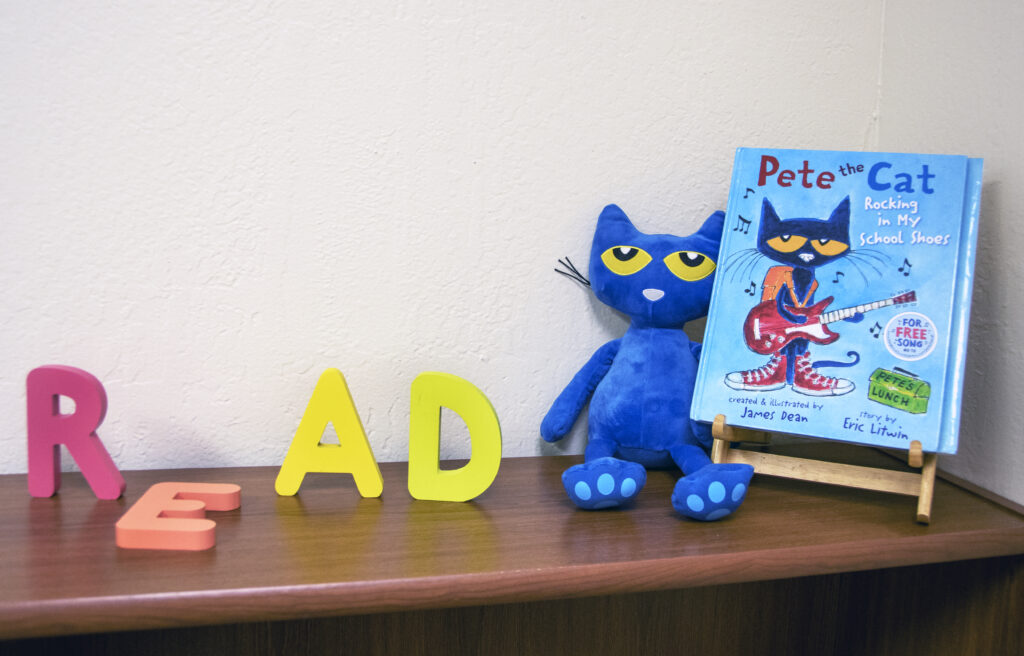
Consider visiting your local thrift stores and flea markets for some great finds and bargains as well. You never know what hidden treasures you might find. Bookman’s Entertainment Exchange is a fantastic place to find gently used books at a fraction of the cost. Plus, you can bring in the books you have finished, or your preschooler has outgrown, and earn credit towards new favorites.
Pro-tip: When shopping, allow your preschooler to choose their own books!
Libraries Remember Day
If you want to get even more involved this month, participate in Libraries Remember Day which was started in response to 9/11. Created to celebrate the role that libraries play in the preservation of history and social welfare, it’s a great time to introduce your preschooler to all that the library has to offer. Explore, browse, and talk with the human search engines (librarians) about what books might be of interest. There is a lot to discover at your local library:
- Pick out a new bedtime story
- Find some beautifully illustrated picture or board books
- Check out some age-appropriate and entertaining audiobooks. Pro-tip: Pop one in for those errand days to encourage a more peaceful car ride.
- Download a book onto a tablet or phone for digital ease (also good for those busier days)
Make Reading a Round-the-Year Habit
While there is a lot going on in September, don’t stop there! If you aren’t already, make reading an everyday habit with bedtime stories, a short book in the evening or on quieter mornings. Make literature part of your preschooler’s routine and create a lifelong reader.
Question:
What is the best bedtime routine for a preschooler?
Answer:
Trick question! There is no such thing.
And because of that, you may have been beating your head against the bedpost trying to figure out how to make bedtime less challenging. The reality is what works for one preschooler may not work for another, and there is a lot of urban legend surrounding how to get your child to sleep faster, and better. Thankfully, there are some professional-approved ways to make sure your child gets the rest they need. But first, let’s bust a few myths.
Myth #1
“Tucker them Out” You may have heard this ole’ chestnut from well-meaning friends and family. They say that the best way to get a child to sleep is to let them go, as fast and hard as they can, until they can’t go no more! True or False?
False. All this is going to do is make your child overtired, and an overtired preschooler is not one for climbing into bed on time, falling asleep quickly, and going gently into their good night.
Myth #2
Keeping your preschooler up later will make them sleep longer. True or False?
False. Not sticking to a schedule is one of the bigger mistakes that parents make in their preschooler’s sleep routine. Small children respond to schedules (even if they rail against them) and the stability they provide. Sticking with one puts you that much closer to getting your preschooler to fall asleep faster and having more quality rest.
Myth #3
Preschoolers need to nap. True or False?
True and False. While some children do need a nap at this age, it isn’t always necessary. A nap could interfere with their normal bedtime which is not what you are going for. Even though they might not nap, your preschooler could benefit from quiet time each day.
What is not myth is that all preschoolers need to have 10-13 hours of quality, restful sleep, and here is where the professionals come in with some tips and tricks to make your bedtime routine a lot smoother:
Maintain a Consistent Schedule (as best you can)
It’s been proven that a regular bedtime and naptime schedule creates good habits.
Follow a Consistent Routine
Whether that be a bedtime story, a chat about their day, or a bath, it’s important to have a stable routine that your child responds to. Find what works for you and your child and stick with it!
Make the Bedroom Dreamy
Create a space that is cool, dark, and without electronics. As most adults have learned, having a TV, phone, or tablet in the bedroom does not make for restful sleep. This rings especially true for preschoolers as most do not have the discipline to resist the bright, flashy thing.
Limit Food and Drink Before Bedtime
Most light snacks are ok, but be careful with caffeine which is most definitely a stimulant. Think about that cup of coffee you may reach for when you need a pick-me-up in the afternoon.
Slow Down Before Bedtime
A good winding-down period about 30-60 minutes before bed really sets the stage for quality rest.
Obviously, there is no one-size-fits-all solution here, and you may have special concerns. If you and your child are dealing with persistent nightmares, bedwetting, breathing issues, or other medical challenges, speak with your pediatrician and get some sound advice. At the end of the day, it’s all about finding out what works, establishing good sleeping habits, and maintaining your child’s health.
While they might not know it, and it may feel like they resist sleep at every turn, preschoolers do need a lot of rest. In fact, during the ages of 3-5 your child needs around 10-13 hours over a 24-hour period. As adults, we are often lucky to get 6 or 7 hours! But there are very specific reasons that children this age need a lot of sleep, and they don’t differ much from the reasons that adults need to be catching more zzz’s:
Improved Attention
The brain fog a preschooler gets when they don’t have their 10-13 hours is very similar to the one you might get when you don’t sleep enough (or get enough caffeine). And it isn’t just the quantity that counts, but the quality.
Learning and Memory
Your preschooler going to school without adequate sleep is the same as you trying to concentrate in a business meeting while exhausted. You won’t retain any of the information and neither will they.
Mental and Physical Health
Children who don’t get enough sleep are at risk for depression, obesity, and high blood pressure.
Neural Development
Numerous studies show how sleep plays an important part in cognitive and neurological development.
Getting enough quality sleep is truly one of the most important things a human being can do for their body. It is just very unlikely that your preschooler understands that. But like you have to explain how vegetables and healthy eating make their bodies strong, it’s just as crucial to discuss how sleep does too!
How can you convey the importance of sleep to your nap or bedtime-resistant child?
Common Sense
A little bit of reasoning using cause and effect logic to relay the importance of getting some shut eye can be a good strategy. Catch your preschooler on a day where they feel good, have lots of energy and are happy. Discuss how one of the reasons they feel so good is that they got enough restful sleep the night before. They may be more inclined to follow their bedtime if they know that it makes them happier and more energetic.
Conversely, on days they didn’t get enough rest the night before, you can link their irritability and lack of energy to not getting enough sleep. Perhaps knowing how much harder school, and even playing with their friends will be if they don’t get enough rest might help enforce nap or bedtime. Explaining how their actions (in this case taking a nap or being more willing to adhere to bedtime) can affect their mood and behavior may help drive the point home.
Be a Restful Role Model
Role modeling could help as well. If the family demonstrates healthy sleeping habits, it is more likely that your child will integrate that behavior. Going to bed and waking up on a schedule, instituting a quiet period of about 30-60 minutes before bed, and reducing screen time will model healthier habits and get your preschooler the rest they need. It might even start your whole family on a healthier path.
If you have concerns about your child’s sleeping habits including restlessness, nightmares, breathing or other medical issues, consult your pediatrician for some guidance. There is very little that is more important for your child’s health than good, quality sleep.
Here’s to some good nights!
Strong independent eating habits are important for your toddler and pre-schooler. But if you ask any parent or guardian about preparing lunches and snacks for a school day and you will likely hear what a game show contestant hears when they give a wrong answer…
Wanh-wanh
Lunch and snack preparation can a lot of tricky questions:
- What are the healthiest options?
- What is most convenient?
- Will my child eat it?
But one thing that parents and guardians may fail to ask is “How will they eat it?” No matter if you are making a full meal from scratch or throwing a pre-packaged snack in their bag, your preschooler needs to know how they can access it!
Storage containers, zippered plastic bags, aluminum foil, silicone food bags, packaged foods, and beeswax wrap all have their own special way of being handled, and opened. Take a look at this list of snack containers that are preschooler-friendly and simple to use.
If you haven’t thought about it, know that you are not alone. Many preschoolers to struggle with food-related tasks. Thankfully there are a few helpful tips that can build some independent eating habits.
Practice Makes Independent Eating
Some packaged foods, like juice boxes, fruit cups, and yogurt tubes, are particularly frustrating (and messy!) if not handled properly. Show your preschooler how to successfully open them, and then practice together. This could make for less accidents (looking at you fruit cup) but more importantly your preschooler will have a sense of accomplishment when they are able to do it themselves.
The Right Tool for the Job
Don’t forget the utensils. While it is easy to toss a container of yogurt into a lunch bag, it’s important to think about how it’s going to get eaten. Afraid your good spoons will get lost along the way? Buy an inexpensive set of reusable kid-friendly utensils, so you don’t mourn the loss of a spoon or knife. Ikea has an inexpensive, durable set that is kid-friendly (no sharp knives here) easy to handle, and comes in fun colors.
The Early Bird
This is an oldie but a goodie...plan on packing food the night before. Yes, I know that you have heard this a thousand times, but this piece of advice holds up. You can make your mornings less stressful by getting this out of the way, and encourage independent eating.
Appoint Them Sous Chef
Allow your preschooler to start helping in the kitchen. There is no better bonding experience than preparing food together, and it will give them experience with handling utensils, cookware. Hopefully it will also help them appreciate all that you do in the kitchen! You can identify learning opportunities to make food handling easier for them on their own. The Food Network has a great list of dishes from entrees to desserts with step-by-step instructions that you can make with your children (even the youngest one!)
S.O.S
Did your child forget how the storage container works? Having trouble with a fork? Just can’t quite get that package of crackers open? Let them know that they can always ask for help. Propose a system where they try at least two times, and if they still need help, all they have to do is ask! Putting a cap on the number of tries before asking for help could ease their patience (and yours!).
Remember it takes time to become a pro in the kitchen, and at the lunch or snack table, but building some independent eating habits doesn't have to be tricky. With a little guidance and some practice, negotiating containers, utensils, and pre-packaged foods will become old hat for your preschooler…even the dreaded fruit cup!
Exercise has been proven time and time again to be one of the most important things human beings can do for their bodies. Especially important is the physical health of preschoolers who are in the throes of learning good (and bad) habits.
Benefits of physical activity include:
- Lower risk for type 2 diabetes, obesity, and high blood pressure
- Bone strength
- Brain health (including reducing the risk of depression)
- Academic performance
- Regulation of sleep
It’s easy to see why exercise is so crucial in childhood, yet long gone are the days of “go outside and play” and being home when the streetlights come on to encourage playing. For most families now, play needs to be a little more structured and a lot more supervised. With busy lifestyles, the question becomes, how do you incorporate quality play, exercise, and movement into your family’s already hectic schedule?
A little goes a long way, and there are some creative and effective ways to build healthy habits for your family without having to spend a ton of time, energy, or money!
Encourage your child to play a sport
Now I am not talking about spending hundreds or thousands of dollars for club or league play. Sports can be as simple as kicking a soccer ball around the backyard or hitting some balls over a tennis court net at the park. Remember, exercise is most effective when it is fun, and there is always time to join organized sports later on.
It's the little things
Park your car just a little farther away from the store entrance and start adding some extra steps to your day. Make taking the stairs more interesting than the elevator by having your preschooler count each step. Take the long way around when walking your dog. The extras really do add up!
Make exercise competitive
Challenge your preschooler to a “race” while shopping by taking a few extra laps going as fast as you can (without running of course). See who in the family can do the most crunches, pushups, or squats during a break in screen time. These little bursts of movement give new meaning to “healthy competition.”
Dance, dance, dance
Throw living room dance parties, and put on some music you and your preschooler can groove to and spend 10-15 minutes boogeying. Being an active participant in exercise makes you a great role model for healthy behaviors. Monkey see, monkey dance!
Make play and exercise part of their learning
See what is being implemented in terms of play, movement, and recess in your child’s school or daycare environment. Is exercise part of their learning? Your preschooler may spend a good portion of their day at their school, and it is important to know how much of that time will be spent in motion.
At Building Blocks Preschool, play and movement are part of the core curriculum. Purposeful play extends beyond the walls of the classroom into outside spaces. Each day includes frequent movement, play, and rest breaks to promote physical activity and maximize student learning and discoveries in the classroom. As Kathryn Kennedy, Head of School explains,
“We have a dedicated time for movement each day. It is a 20-minute block of time where we focus on our motor skills. We center around skill-building for different sports (rolling a ball for bowling or kicking for soccer, etc.). We also bring gross and fine motor skills into other subjects. We might "paint" the walls with water to practice our letter formation or practice adding by throwing balls into a basket.”
Movement and exercise shouldn’t have to be an “all or nothing” proposition, and the small things really do add up. They add up to healthy bodies, minds, and hopefully a habit that lasts a lifetime for your toddler or preschooler.
We have all been there… minding our own business, calmly grocery shopping, when out of nowhere the sweet toddler you have strapped into your cart becomes a raging howler monkey. Yelling, kicking, and trying to slip their way through the restraints, they seem intent on ruining the day for everyone in that store, most notably yours. You feel your cheeks heat up, and you would rather run in the opposite direction than deal with the meltdown taking place in front of you. Sound familiar?
Tantrums happen when children have an unplanned outburst of anger and/or frustration, and are often linked to being uncomfortable (tired, hungry, etc) in some way. Toddlers tend to react very strongly to even the mildest situation, because they lack the verbal ability to communicate what they want, need, or think. If you were unable to communicate your needs, you, too, might think that thrashing around on the floor sounded like a good idea!
In older children, ages 3 and 4, tantrums stem from a power struggle and often revolve around something they didn’t want to do, or an unfulfilled request. They test boundaries by displaying their worst behavior to see how you might react.
As bad as they may seem, tantrums are a normal part of development between the ages of 1 and 4, and generally don’t require a doctor’s attention. All you need are a few helpful tips to make tantrums a little less painful…for both of you!
Fending Off a Tantrum With a Little Foreshadowing
- Fail to Plan, Plan to Fail. If it is naptime and your toddler is rubbing their eyes, now might not be the time to make that “quick” trip to the store. Plan outings accordingly and bring some toys, books, and snacks with you to help fill in any gaps.
- Advance Warning. A surprised toddler is an unhappy toddler. If you are on a play date, or are at the park be sure to give your toddler ample notice before packing up and leaving. Statements like, “you can slide one more time before we leave” are easy for your toddler to understand and help manage expectations.
- Tasks can be taxing. Tying their shoes or putting on their jacket can be frustrating to a toddler. Is there a particular task that seems to cause meltdowns? Offering to help them figure it out can give them a sense of accomplishment rather than fueling their frustration.
It's Happening
Let’s say that you’ve tried helping, and you’ve planned your outing around their nap schedule. Yet, there they are, bawling and red-faced. Now what?
- Safety First. Make sure they don’t have access to any dangerous objects or are easily able to put themselves in harm’s way.
- What’s That?! If you see the steam start to leak out your toddler’s ears, you may be able to stop that tantrum dead in its tracks. Find something else for them to focus on, such as another activity.
- Ignorance is Bliss. If you are in a safe space, you can elect to simply walk away from their behavior without engaging. When your child realizes they aren’t getting a response, it is likely the behavior will stop.
- Keep calm and… Being able to control your emotions is good role modeling for your toddler. By staying as neutral as possible you send the message that their behavior is not desirable.
- A Little Privacy Please. Try to move to a more secluded place if a tantrum erupts in public. And yes, picking them up and carrying them is acceptable! A restroom, car, or a private space in a home are all good places to wait it out.
- Stay Strong. Negotiating is never a good idea in this situation, because it only reinforces negative behavior. If you give in once, you set the stage for other incidents. The tantrums are temporary, but habits are much harder to break.
In the Aftermath of Tantrums
Perhaps the clouds have rolled by, and what’s left is your toddler’s tear-stained face, and some raw nerves on your part. Where do you go from here?
- A Job Well Done. Offer words of praise when your toddler has calmed down. Make statements specific. “You did a good job when you used your words” or “I am glad that you decided to get up off the floor” are phrases that could invite better behavior.
- Label the Emotion. Talk about what your toddler may be feeling in terms they understand. Use statements like “I can see that you were sad, you were crying.” This helps them identify their feelings, so perhaps they can articulate them better next time. Any deeper discussions with an older child can come later when cooler heads prevail.
- It’s Not Personal…It’s Child Development. Your child does not “hate” you or truly feel any of the harsh statements they may have used mid-meltdown. It’s just an expression of frustration. They will save their true feelings for their teenage years!
While they may be part of healthy child development, tantrums are not fun, for you or your toddler. But with a little patience, and a few tips in your back pocket, you can weather whatever storms they stir up!
Thanks to the global COVID-19 pandemic, your preschooler may not have interacted with anyone outside your household…ever. They probably have not made any new friends, visited with extended family members, or even been to a restaurant, park, or grocery store. Which means that your child also hasn’t had much of an opportunity to learn some important social skills. They simply have not had the chance to work on that part of their development.
Now that COVID-19 restrictions are being lifted, your child’s world is getting bigger by the day. With them returning (or starting!) in-person preschool, and resuming (or establishing!) family routines, there are more opportunities for them to socialize. But how can you help your preschooler learn important social skills and be more comfortable around people they don’t know?
- Recognize that there may be a little separation anxiety. Your child may want to stick close to those they are familiar with, especially if they haven’t engaged with anyone other than your immediate family members. Introduce new social situations and people, by having a friend, babysitter, or neighbor visit with your child to “practice” socializing while you run an errand.
- When it comes to venturing outside your home, start small by taking a trip to the park, or grab a treat at your favorite store. Ease your child into meeting others by planning activities that are fun, and relatively low stress. Meeting new people and being in public doesn’t have to be overwhelming.
- Talk about where you and your preschooler are going, who they may see or meet, and what scenarios they might find themselves in. This is not a time for surprises. Going to the park? Explain how other children, adults, and even pets might be there too. Discuss, in a positive way, how meeting new people can be exciting.
- Make conversation easier for your child by preparing an icebreaker list. Think of questions they may be asked, and possible responses. The list could include ways to introduce themselves, and responses to how they are doing, how old they are, and if they go to school. Try role-playing the scenarios at home before going out to make your child is at-ease.
- Leave your expectations at the door, knowing that there are going to be some bumps in the road. Be prepared to help soothe your child’s anxiety, or even bruised feelings, if the situation doesn’t go so well. Keep in mind that interacting with others is a skill that continually needs honing. No one ever perfects it…at any age!
- Watch for stress, but be careful with assumptions. Communicate with your child about their comfort level, but try not to jump to conclusions. Asking probing questions can shed a light on situations that may not be what they seem. Kids are incredibly resilient and sometimes parents allow their concerns to overshadow the reality of the situation.
- When in doubt, talk to your child’s doctor, or preschool providers. Together as a team you can help your child work through some of the inevitable social situations that they will face.
By having a positive outlook, and following your child’s cues, you can introduce or re-introduce them to society at a rate that feels comfortable for you both. Before you know it, your child will be confidently engaging with the world around them, and building important social skills.
One of the most challenging things about living in Arizona isn’t the scorpions, traffic, or the rising cost of housing…it’s the sun! With a warmer-than-average climate that encourages us to wear less clothing (shorter sleeves, shorts, sandals, etc.) residents are at high risk for skin cancer and other sun-related issues.
Small children and babies have very delicate skin that needs to be protected from UVA and UVB rays. Fortunately, there are some basic precautions that you can take:
Mind the Peak. Keep children out of the sun during the peak hours of 10 am – 4 pm. Find shade whenever possible if you are going to be out. Frequent parks and other facilities that have cover such as awnings, and check out indoor play areas.
Cover Up. Dress your child in clothing that you can’t see through. Longer sleeves and pants work best, but we know that during the summer months that can be tough. Check out some of the UPF rated clothing which is typically lighter weight and more comfortable.
Accessorize. Wide-brimmed hats (baseball caps need not apply!) help protect the tough-to-cover spots like ears and the back of the neck which are often neglected. Look for tight-weaved hats that fasten under the chin to make it less likely it will fly off, out the window, or across the playground or park. And those same UV rays also affect the eyes, so get a pair (or 2) of sunglasses for your preschooler. Look for 99 to 100 percent UVA/UVB protection, large lenses, and a wraparound style. For smaller children you may want to consider an eyeglass leash that can secure the glasses to your child’s head, making them more comfortable, effective, and less likely to get lost!
Slather It On. Use sunscreen and lots of it! No matter what brand you choose there are a few key components in finding the right sunscreen. Make sure it is broad-spectrum with a minimum of SPF 30 (a lot of experts recommend SPF 50). Lotions tend to work best because they can be applied to very specific areas like the back of the neck, and the tops of ears, hands, and feet. Anyone who has ever had a sunburn on those areas knows all too well how quickly they burn! And sunscreen should not be a “special occasion” item. No matter if you are at the playground, on a hike, or simply running errands, make sure you lather up before leaving the house. However, if there is a baby on board, use caution as it is not generally recommended that infants wear sunscreen. Instead, cover them up, find shade, and dress them in a hat and glasses for the best protection.
Now that you have your preschooler ready to hit the park or playground, it helps to be aware of another challenge in Arizona…the heat. As temperatures rise, so does the risk of heat exhaustion and heatstroke. Here are a few tips on how to recognize, and treat heat-related symptoms:
Stay Informed. Find out what the weather is going to be like before you make plans. That hike isn’t such a good idea when the temperatures start rising upwards of 100 degrees.
Stay Inside: Develop a plan to keep cool when the temperatures soar. Try activities that are inside and air-conditioned and limit outdoor time.
Stay Hydrated: When it is very hot this is the time to increase fluids. Don’t wait until either of you are thirsty to have a drink. Water is best, and remember that caffeine (soda, coffee, etc) dehydrates you. Certain foods can also help keep you hydrated, such as watermelon, berries and grapefruit, sugar-free popsicles, cucumbers, lettuce, and plain yogurt. Doubling down by drinking water and consuming some of these foods can ensure good hydration.
Stay On Top of Symptoms. Heat exhaustion and heat stroke present differently. Heat exhaustion = weakness, cold, clammy skin, nausea or vomiting, or fainting. Heatstroke = high body temperature (104 degrees or higher), hot, red, dry, or moist skin, rapid pulse, and possible unconsciousness. For either, seek medical attention immediately.
Having a plan of action and a little knowledge can make all the difference when dealing with the brutal Arizona summers. Here’s to a happy, and healthy summer season!